

Weaver AI Smart Hospital: Artificial Intelligence Revolutionizes Healthcare Services and Enables Smart Healthcare Interconnectivity
Smart hospitals represent a key direction for advancing future healthcare services, enhancing the patient experience, and improving the efficiency of healthcare resource allocation.
With the continuous development of artificial intelligence, big data, and digital technologies, the healthcare industry is undergoing a profound technological transformation. A smart hospital is no longer merely a digital upgrade of traditional medical facilities; it represents a comprehensive revolution in healthcare service models, management approaches, and the ability to integrate medical resources.
In light of this trend, Weaver AI is committed to exploring the integration of artificial intelligence technology with smart healthcare scenarios. Through intelligent technologies and digital management concepts, it aims to drive healthcare services toward greater efficiency, convenience, and intelligence, thereby unlocking more innovative possibilities for the healthcare system of the future.
What Is a Smart Hospital?
A smart hospital refers to a new model of healthcare that integrates and optimizes traditional medical services, hospital management, and medical resources through the use of digital technologies such as artificial intelligence, the Internet of Things, big data, and cloud computing.
Through the application of intelligent systems, hospitals can further improve medical service processes, enhance the efficiency of information management, and promote coordination and collaboration across different stages of medical care.
Weaver AI’s core focus for smart hospitals is to explore how artificial intelligence can be integrated into healthcare settings, enabling technology to better serve healthcare professionals and patients.
Key Features
The development of smart hospitals is inseparable from technological innovation and system integration. Their key features include intelligent management, data integration, optimization of medical services, and efficient coordination of medical resources.
Through the integration of artificial intelligence and digital technologies, smart hospitals are expected to address issues such as fragmented information, inefficient management, and uneven resource allocation in traditional medical workflows.
Let’s take a closer look at several key areas of development for smart hospitals.
Innovative Technology Solutions
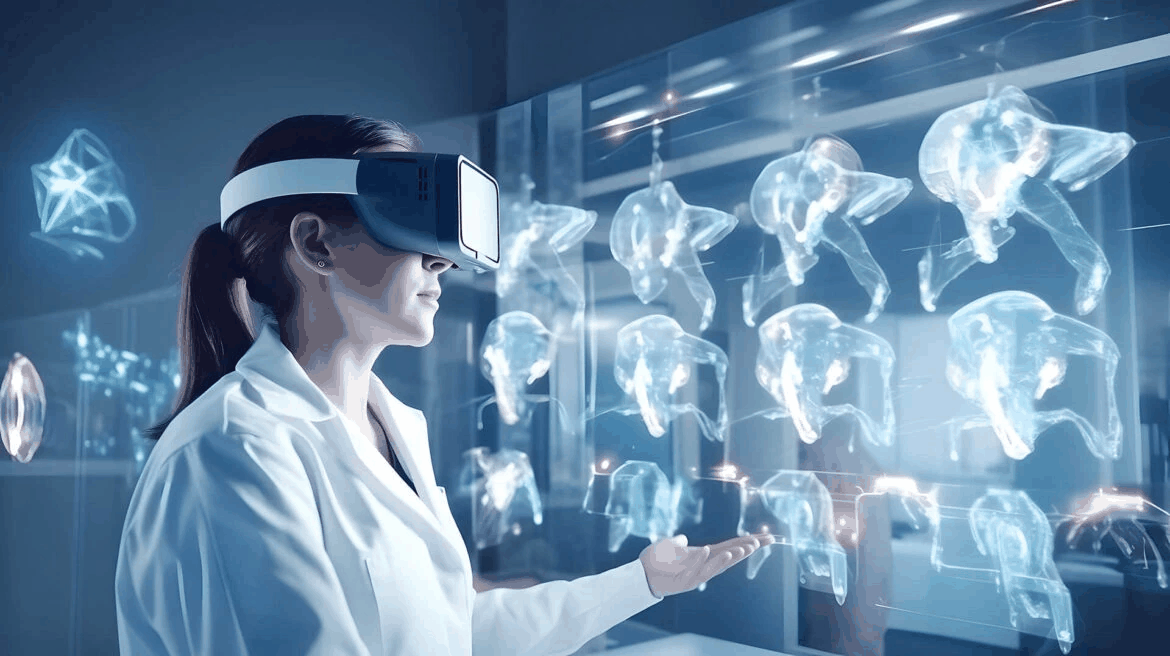
Artificial Intelligence (AI), the Internet of Things (IoT), cloud computing, and big data analytics are becoming the key technological foundations of smart healthcare.
These technologies enable healthcare institutions to integrate information from various sources, improve the efficiency of data processing and management, and provide healthcare professionals with more comprehensive information support.
Weaver AI combines artificial intelligence technology with the evolving needs of smart healthcare to explore the practical value of intelligent systems in areas such as healthcare information management, service process optimization, and healthcare resource integration.
Enhancing the Patient Experience
One of the key objectives of smart hospitals is to provide patients with more convenient, efficient, and personalized medical services.
Through digital management and intelligent services, healthcare institutions can improve processes such as appointment scheduling, medical visits, information inquiries, and follow-up care, thereby reducing the inconveniences patients may encounter during traditional medical visits.
For example, intelligent service systems can help patients access healthcare information and streamline the consultation process, while digital health management enables patients to more conveniently monitor their own health data.
In addition, telemedicine is a key area of development for smart hospitals. Through digital platforms, patients can receive remote health consultations and related medical services—in compliance with medical regulations—providing greater convenience for those in remote areas and individuals with limited mobility.
Interoperability of Healthcare Systems and Devices
Interoperability refers to the ability of different healthcare systems, devices, and information platforms to effectively communicate, exchange, and utilize data.
In modern healthcare settings, the accuracy and timeliness of information are critical. When healthcare information is scattered across different systems, it can increase the administrative burden on healthcare professionals and impair the efficiency of care coordination.
Smart hospitals leverage digital platforms and integrated information systems to enable seamless data exchange across healthcare networks, enabling healthcare professionals to access the information they need more efficiently.
The development direction of Weaver AI’s Smart Hospital initiative also focuses on the collaborative application of artificial intelligence and healthcare information systems, exploring how to improve healthcare information management through technological integration and drive the digitization and intelligent transformation of healthcare services.
Leading the Future Development of Smart Healthcare
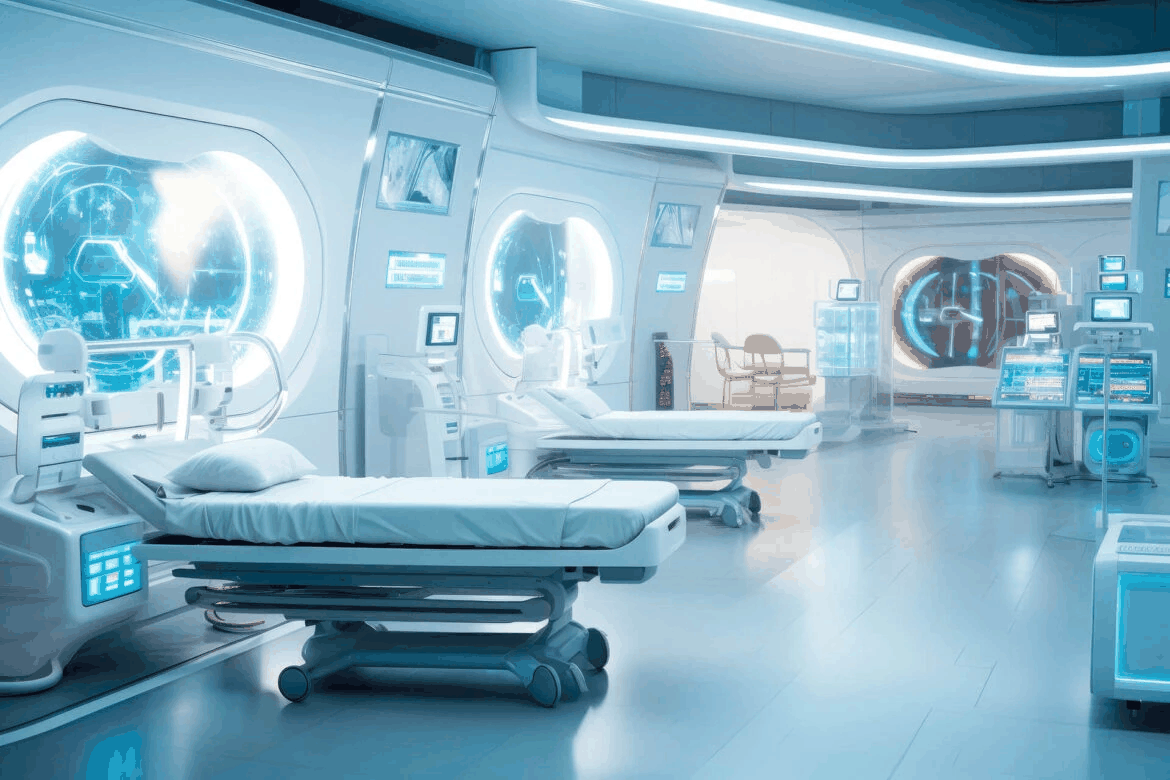
Artificial intelligence is transforming the way industries operate, and the healthcare sector is one of the application areas with significant development potential.
From medical information management to intelligent services, and from data integration to telemedicine, smart hospitals are gradually driving the transformation of traditional healthcare models toward greater digitization and intelligence.
Weaver AI focuses on the integrated development of artificial intelligence and smart healthcare, exploring how technology can improve healthcare service processes, enhance management efficiency, and unlock more innovative possibilities for the future of the healthcare industry.
Smart healthcare is not merely a technological advancement; it is a revolution in the philosophy of healthcare services.
By integrating artificial intelligence into healthcare and leveraging technology to serve health, we are propelling smart healthcare toward a future that is more efficient, convenient, and intelligent.

 English ▾
 Français
 한국어
 日本語
 繁體中文
 Español
 العربية
 Nederlands
 Deutsch
 Italiano
 Português
 Русский